Safety Information for Your Customers
By Docherty Trade
Carbon monoxide (CO) is a silent killer. It’s colourless, odourless, and tasteless; building up in a home when stoves, fireplaces, gas ranges, and furnaces are not properly ventilated and serviced. Accidental carbon monoxide (CO) poisoning is responsible for around 25 deaths and 130 hospitalisations each year in the UK, so it’s important to educate your customers on how to stay safe with CO.
See what you need to know to tell your customers to watch out for:
- Giving warning to the release of Carbon Monoxide.
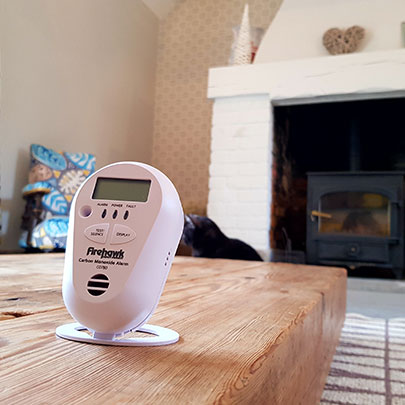
CO alarms provide a warning for the presence of CO gases. While the most common source of CO gas is from boilers, any stoves, or chimneys should also be monitored.
- Maintain the appliance.
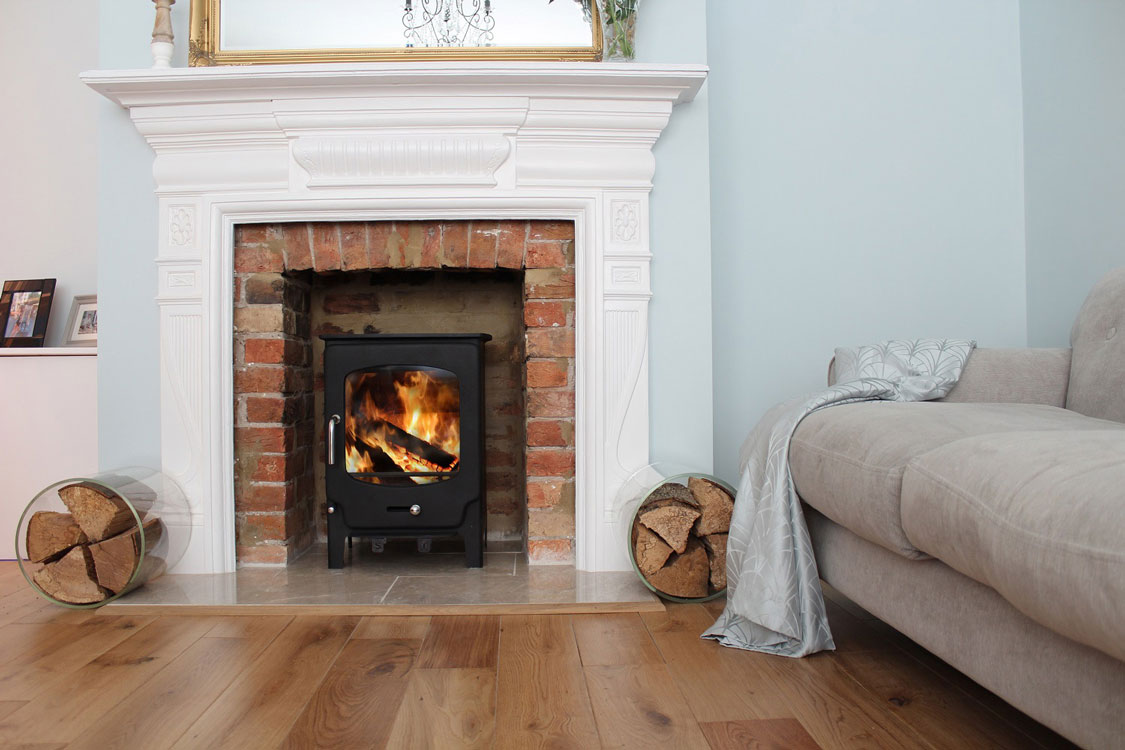
Using a stove or fireplace that is poorly maintained will significantly increase the risk of the appliance producing CO.
- Burn the correct fuel.
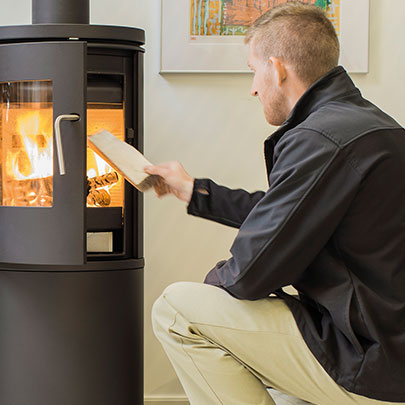
The correct fuel must be burnt in the stove or appliance.
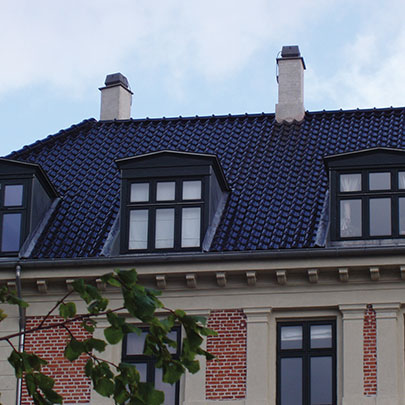
- Regularly sweep the chimney.
The chimney should be swept at regular intervals to ensure its kept clear by a member of the National Association of Chimney Sweeps, APICS, the Guild of Master Chimney Sweeps, or Sweep Safe
- Know what to do if the CO alarm goes off.
You should inform your customer of what to do if anyone in the house experiences the symptoms of CO poisoning or the CO alarm goes off. Firstly, they should leave the house and then call the gas emergency number on 0800 111 999, or the Health and Safety Executive (HSE) Gas Safety Advice Line on 0800 300 363.
It’s important they don’t go back into the property and wait for advice from the emergency services.