Stove Installation Tips
By Docherty Trade
We’ve picked up a few things during our 57 years of serving the solid fuel industry. Here are a few tips to help you install a stove for your customers.
- Use a Flexible Flue Liner
While it’s not essential to install a liner, Docherty Trade recommends using a flexible flue liner when installing an appliance to an existing chimney.The fitting of a flexible flue liner is one of the easiest and cheapest solutions to reducing a flues cross sectional area. This will allow the flue and appliance to operate effectively, efficiently and safely. This will help to maintain the flue gas temperatures to reduce the cooling effect of the gases which can lead to condense forming within the flue.Using the correct fuels for the appliance and where wood is being burnt, a recommended moisture content of 10 – 20% will reduce tar, creosote, and moisture build up within the flue.
Where mineral fuels are being used the appliance should not slumber for long periods of time, as this can also cause condense within the flue that when mixed with the fuels sulphur content can cause a chemical reaction that corrodes and damages the liner.
- Plan the Installation
A site survey undertaken by a competent person should be performed to confirm the flue route, size, and termination. Distance to combustibles and hearth requirements.The customer should be made aware that the fitting of an appliance to an existing chimney, will require sweeping and smoke testing to confirm its integrity.It is important that the correct heat output for the application is selected.
When fitting in a recess the manufacturers required clearances are maintained for maintenance and cooling.
For any installation the distance to combustibles from the appliance must be maintained as specified by the manufacturer.
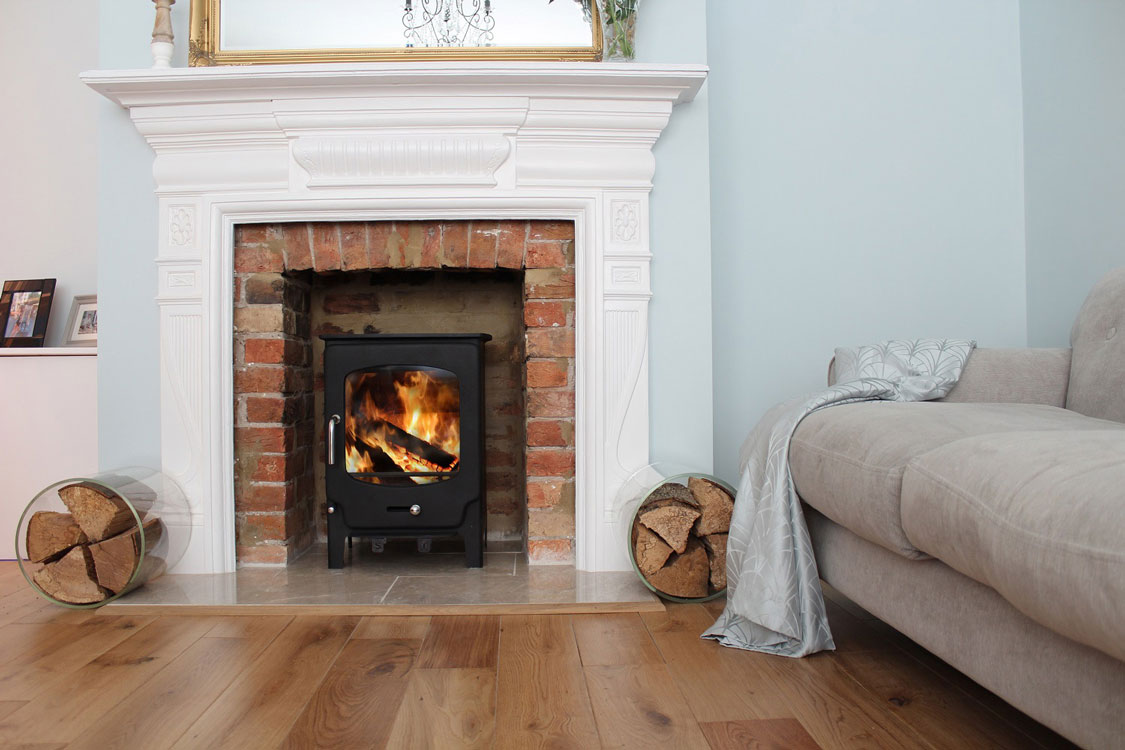
If the stove is replacing an open fire, the difference in heating efficiencies needs to be taken into consideration. An open fire may reach 20% efficiency, whilst most stoves are in excess 65%. This means they will not need to burn as much fuel to achieve the same degree of heat.
- Adequate Ventilation
It is possible that you are able to install an appliance up-to 5Kw in a property built prior to 2008 without the need for a permanent air vent. Any balance of output will need a minimum of 550mm2/Kw. However, when commissioning the appliance following manufacturers instructions and Build Regulations, further ventilation above these instructions may be required to comply with the commissioning checks to ensure a safe and compliant installation.If there has been refurbishment work on the property and or built post 2008 the ventilation requirement is 550mm2/Kw of the rated output of the appliance.If a draught stabiliser is fitted the free air requirement is increased by 300mm2 per Kw of the rated output.
Some appliances can be installed with a direct air kit, which can be used as an alternative to a permanent free air vent. Manufacturer’s instructions and HETAS commissioning procedures are to be followed. Note that a permanent air vent may still be required to operate effectively and safely.
- Use the Correct Terminal
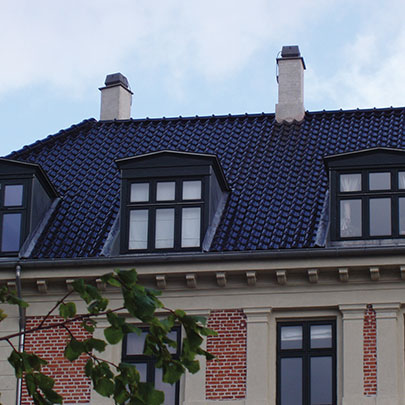
Terminals and cowls must be approved for the fuel type that will be burnt. For example, gas terminals have a small mesh that will get blocked up if the customer burns wood and other solid fuels.It’s important that the terminal is correct for the situation. An open terminal will allow the smoke and combustion products to clear quickly but won’t offer any protection from rain or vermin. A rain cap will offer protection from rain ingress but creates a barrier for escaping smoke and gases. However, some rain caps have a wood and solid fuel approved mesh to keep out any birds or vermin.